
Why Ownership Is No Longer Enough
Ownership used to define power.
Today, it doesn’t.
We are entering a new phase of the global capital system — one where control has replaced ownership as the primary objective.
Most investors haven’t adjusted.
And that gap is where risk — and opportunity — now sits.
The End of Ownership as a Strategy
For decades, the investment logic was straightforward:
Acquire assets.
Deploy capital.
Optimize returns.
Ownership was the goal.
Control was assumed.
That assumption no longer holds.
In today’s environment, ownership is increasingly:
• diluted
• contested
• structurally limited
And in many cases:
irrelevant.
Because ownership alone does not guarantee influence over outcomes.

Control Is Where Power Sits
The real shift is this:
From ownership → to control.
Control is not visible on a balance sheet.
It is embedded in:
• structuring
• governance
• contractual positioning
• execution capability
This is where decisions are made.
This is where value is protected.
And this is where power sits.
Owning an asset without controlling these elements is not a position.
It is exposure.
The Structural Reality
Across markets, we are seeing a clear pattern:
Infrastructure assets operated without majority ownership.
Capital deployed without decision rights.
Projects structured to shift influence across stakeholders.
This is not accidental.
It is designed.
Because sophisticated players understand:
Control can be engineered — ownership cannot always be protected.
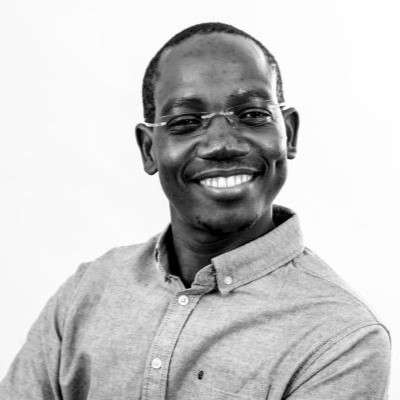
Statement – Julio Pedro Uqueio
Business Development EMEA & Africa, BlackSwan Capital
“In many markets, ownership without real access and alignment is purely theoretical.”
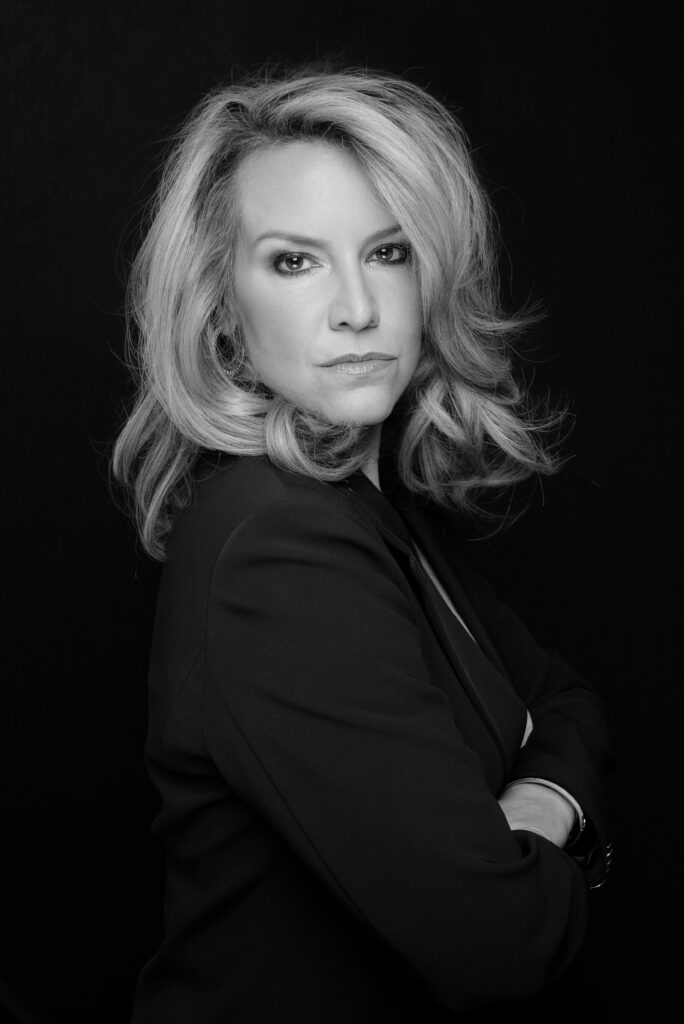
Statement – Stefanie Laura Wurzer
Managing Director and COO, BlackSwan Capital
“Execution is where control becomes real. Without it, structure and capital remain abstract.”
Why This Matters Now
This shift is accelerating for structural reasons:
- Geopolitical fragmentation
Control over assets is becoming more important than legal ownership in cross-border contexts. - Capital concentration
Large pools of capital are competing for limited strategic assets — increasing the importance of structuring. - Regulatory complexity
Ownership restrictions force investors to operate through alternative control mechanisms. - Execution risk
Projects fail not because of capital shortages, but because of lack of control in delivery.
This creates a new reality:
Ownership is no longer the objective.
Control is.
The Illusion of Security
One of the most persistent misconceptions in today’s market:
“If we own it, we control it.”
This is increasingly false.
Without:
• aligned governance
• enforceable structures
• local execution capability
ownership becomes fragile.
And in volatile or fragmented markets:
fragility becomes risk.
The BlackSwan View
At BlackSwan Capital, we operate at the level where control is structured — not assumed.
We understand that:
👉 capital must be positioned, not just deployed
👉 access must be secured, not assumed
👉 execution must be delivered, not modeled
Because in today’s environment:
Control is engineered.
Through:
• structuring
• alignment
• execution
Not through ownership alone.
Conclusion
The Control Economy has begun.
And it changes the fundamental question of investing.
The question is no longer:
“What do we own?”
It is:
“What do we control?”
Those who understand this shift will define outcomes.
Those who don’t will own assets — but not the result.
When capital is critical, execution matters.

Leave a Reply